Patent Medicines: Buyer Beware

Kathleen Rouser is wrapping up her four-part blog series today on her research into pharmacy. Thank you so much for this wealth of information. I know I learned a lot!

“Patent” medicines often claimed to be the cure all for what ailed you, especially if you were a woman. However, a large portion of the ingredients weren’t necessarily what the consumer would have expected. Lydia Pinkham’s Vegetable Compound contained high amounts of alcohol and Dr. Pierce’s Favorite Prescription Tablets were laced with opium! They might have made the patient feel better for a time, but they didn’t cure anything.


The old saying attached to Lydia Pinkham’s Vegetable Compound was “a baby in every bottle”.  Whether childlessness, menstrual cramps or moodiness plagued a woman, they often turned to such a well-known remedy. Though it contained herbs known today for helping with such hormonal complaints, it was likely the high alcohol content that calmed the nerves and dulled the pain.  Even women in the temperance movement were fooled by wholesome advertising.

While Dr. Pierce’s Favorite Prescription was also for women’s complaints, he didn’t hesitate to come up with a variety of nostrums. His business, with its “world dispensary” in Buffalo, New York, in the early 1900s, was very profitable.


During the 1800s, it wasn’t uncommon to see a poster for such so-called panaceas as Hamlin’s Wizard Oil, claiming that it was the “Great Medical Wonder. There is no Sore it will Not Heal, No Pain it will not Subdue”. (Facklam 19)

 The term “patent” medicine originated from a British practice abolished by law in 1624—the purchase of royal favor to increase one’s competitive edge in the market. Later, in America, patents were given out for the design of the package rather than its contents! Not until the Pure Food and Drug Act of 1906 was passed did federal law regulate ingredients.

Purveyors of such concoctions only had to display a mail order certificate or license stating they were doctors were often enough to gain the buyer’s trust. The word “Indian” added to the title of the medicine lent even more credence to the product. Traveling medicine shows, often with Native American themes, stirred the dust of sleepy towns, bringing the excitement of music or other forms of entertainment. They drew the wary buyer and increased purchases through these means.

Snake oil was touted as a liniment for rheumatism by a famous Montana rancher and became a popular ingredient. Another liniment, containing turpentine and hemlock, was used on horses before being sold to humans. Some pills were supposed to be good enough for both–just double the dosage for horses! (Facklam 21)

While some remedies sold during the second half of the 1800s may have contained herbal preparations passed on by generations before, most of them likely dulled the customer to their pain and other symptoms through large alcohol or narcotic content. The symptoms could then be ignored, causing further illness and the misery of addiction, rather than alleviating sickness. Even the popular beverage, Coca-Cola, made consumers feel good, because of its cocaine content, from 1885-1890.

Patent medicines were often found on the shelves of trusted local merchants and druggists, well into the 20th century, though with less addictive ingredients by that time. Human nature causes people today to look for the perfect panacea.  Like the consumer of the nineteenth century we are often hopeful to find nearly instant results and avoid a trip to the doctor. At least today, we have plenty of accessible information to research, whether by looking for clinical trials or other evidences before making a purchase. Our ancestors were at quite a disadvantage in that area.

Will some of today’s medications and supplements, with their flashy advertisements and promises, be eventually looked upon with the same humor and distaste we find in the patent medicines of over a century ago?

Works Cited

Facklam, Howard and Margery. Healing Drugs: The History of Pharmacy. New York:                 Facts on File, Inc., 1992. Print.
Steele, Volney, M.D. Bleed, Blister and Purge: A History of Medicine on the American      Frontier. Missoula, MN: Mountain Press Publishing Company, 2005. Print.
Lydia Pinkham’s image is from Wikimedia Commons and is in the public domain.

**************************************************************************

Kathleen lives in Michigan with her hero and husband of 29 years. First, a wife and mother, she is “retired” after 20 years of home educating their three sons, who are all grown and have moved away. Since then, Kathleen returned to Oakland Community College to complete a Liberal Arts degree and a certificate of achievement in ophthalmic assisting. Last year the American Board of Opticianry certified her. Kathleen has been published in Home School Digest and An Encouraging Word magazines. She writes regularly for the local women’s ministry “Sisters” newsletter. She also contributes articles and author interviews to FavoritePASTimes.blogspot.com, a blog devoted mostly to historical fiction. Read about her fiction writing endeavors at: www.kathleenrouser.com


New Resource: The Writer’s Forensic Blog

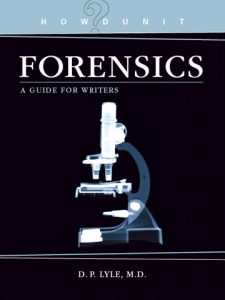
I’ve been following Dr. Lyle’s blog for awhile and have found some of his posts pretty interesting. D.P. Lyle is a medical professional who also blogs about medical accuracy. He will tend to have more of a forensic focus and has published a couple of resources in this area.

Recently, someone posed a medical question I thought would be of interest to my historical authors. The question was: In 1863, could an autopsy accurately determine the cause of death?

Here’s a link to the post: http://writersforensicsblog.wordpress.com/2011/05/01/question-and-answer-in-1863-could-an-autopsy-accurately-determine-the-cause-of-death/.

Enjoy,

Jordyn

Soderlund Drug Store Museum


Kathleen joins us again this Friday for an interesting piece on her trip to Soderlund Pharmacy Museum.
 A Charming Historical and Visual Resource for Writers
Writing about a character who’d been a pharmacist in 1901 small town America presented a challenge and sent me searching. After all, this gentleman was practicing his craft prior to the passing of the Pure Food, Drug and Cosmetic Act of 1907 and national legalized standards for the profession.
I happily stumbled upon the William and Joan Soderland Pharmacy Museum web site. The colorful photographs of show globes intrigued me. Just what are show globes? These were beautifully crafted glass jars filled with colored liquid. While legends abound as to their origin, including the use of red liquid to signify an epidemic in town or green to signal the all clear, the likely story is much simpler. Chemists, later called pharmacists, made many of their medical preparations from herbs. Since the historical pharmacist didn’t need a formal education or a license to practice until the 20th century, they demonstrated their prowess in making chemical compounds through the show globes, sometimes layering different density and color liquids for a striped effect.
There are several pages at the Soderlund Drug Store Museum web site, containing a plethora of trivia and useful information regarding the history of the American drug store and pharmaceutical companies prior to 1958. Colorful and historical photographs also abound.
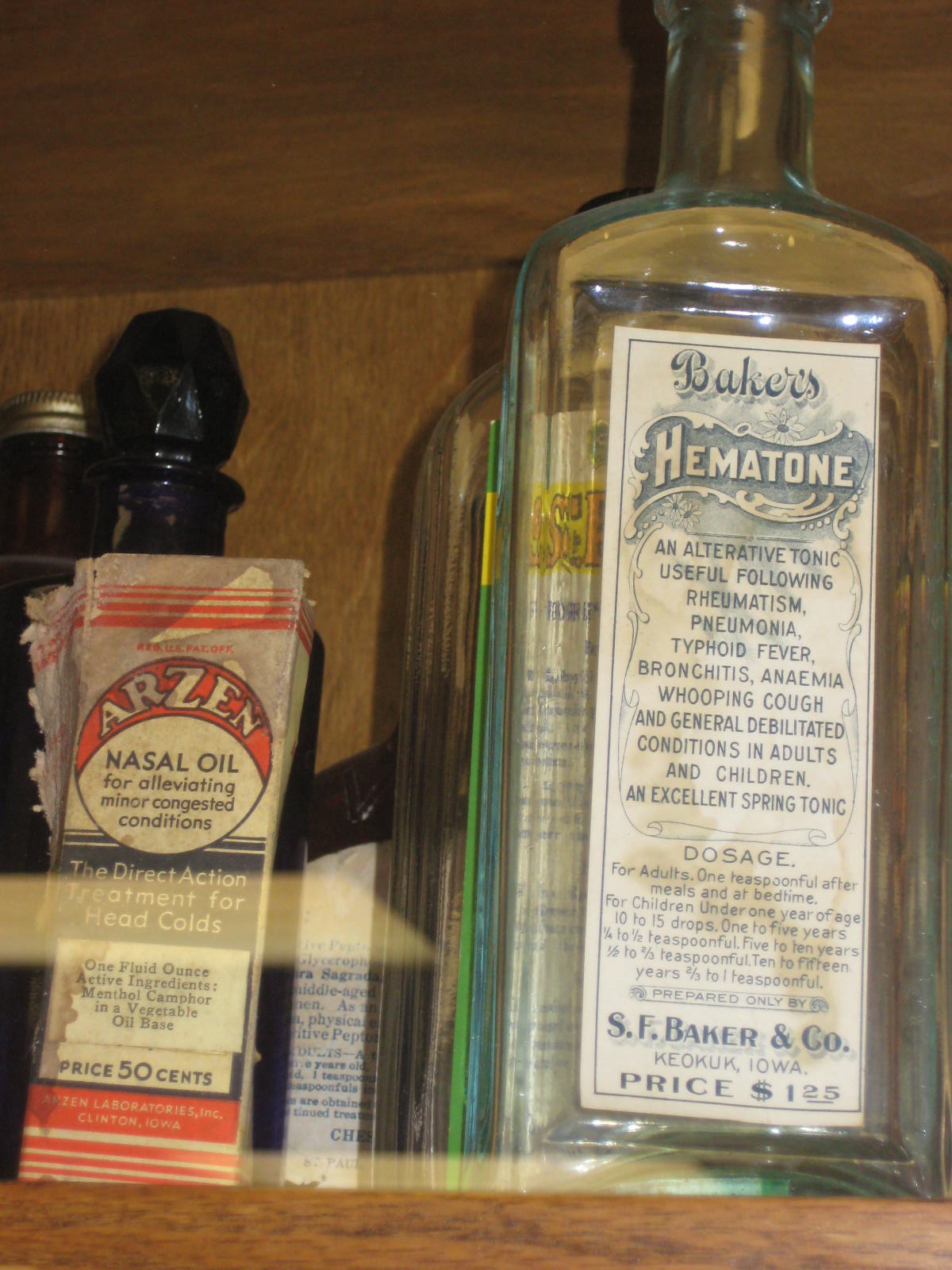
I had the privilege of visiting the Soderlund Pharmacy Museum in quaint St. Peter, Minnesota last summer. Along most of the back wall stand cabinets filled with bottles, jars and boxes that once held patent medicines and individual ingredients, which are often herbs that you would recognize in any health food store today. It would take hours to study the many labels of the lotions and potions contained behind the glass. These donated items span decades of the apothecary’s trade and include key ingredients, as well as once popular patent preparations such as Lydia Pinkham’s Vegetable Compound and Dr. Pierce’s Favorite Prescription Tablets.
A 1920’s style soda fountain in the corner supplies complimentary glasses of locally brewed root beer, a refreshing treat on a hot summer day! A visit to the drugstore museum, housed within Soderlund Village Drug, returns visitors to the ambience of the typical Main Street pharmacy of yesteryear.
While it may not be possible for you to visit in person, their web site is worth your time, providing not only different aspects of history of the American drug store and pharmaceutical industry, but also many visuals that can be helpful for the writer. So pour yourself a glass of root beer, get cozy in your most comfortable chair and prepare for a journey back in time at www.drugstoremuseum.com
********************************************************************************
Kathleen lives in Michigan with her hero and husband of 29 years. First, a wife and mother, she is “retired” after 20 years of home educating their three sons, who are all grown and have moved away.  
Since then, Kathleen returned to Oakland Community College to complete a Liberal Arts degree and a certificate of achievement in ophthalmic assisting. Last year the American Board of Opticianry certified her.
Kathleen has been published in Home School Digest and An Encouraging Word magazines. She writes regularly for the local women’s ministry “Sisters” newsletter. She also contributes articles and author interviews to FavoritePASTimes.blogspot.com, a blog devoted mostly to historical fiction. Read about her fiction writing endeavors at: http://www.kathleenrouser.com/

Fractures: General Guidelines

Fiction, particularly the thriller genres, generally require a character to sustain an injury. These can run the gamut from minor to life-threatening.

Today, I’m going to focus on a couple of general guidelines if you injure a character with some type of fracture.

Though it may be hard to break a bone, sometimes it seems the most minor accidents can cause a fracture. My mother once slipped off a small rock onto the side of her foot. Her foot was bruised and mildly swollen and in my nursing wisdom (I was only in nursing school at the time), I said, “There’s no way you broke it slipping sideways off a rock.” Needless to say I was wrong. Yes, broken foot.

Guideline #1
: The amount of swelling is not indicative of fracture. Ankle injuries are classic for this. Patients come in with a horribly swollen ankle, convinced they broke it. My guess in the pediatric realm (up to age 21), the ankle is 95% of the time sprained and not broken. Arms that have an obvious deformity and you can see the limb is broken before you get an x-ray, have little swelling in comparison.

Guideline #2: If something is broken, generally the joint above and below will need to be immobilized (or very close to the next joint). Someone asked me once if a person broke one bone in their lower leg, could they drive? There are two bones in the lower leg: the tibula and the fibula. Depending on how close the fracture is to the knee, the ankle and knee will have to be immobilized. I don’t know how many people can drive with a straight leg.

Guideline #3: Splints are placed first. It is rare to put a cast on in the emergency department. The reason splints are placed first is to allow for swelling to come and go. A splint is generally fiberglass sheets secured in place with an ace wrap. This allows for expansion during swelling. Then in 7-10 days, the patient is referred to an orthopedic doctor for cast placement.

Guideline #4: A good rule is that a cast will be in place for 6-8 weeks. Now, this is highly variable and if an author said the cast needed to stay in place for nine weeks, it probably wouldn’t drive me nuts enough to go check it out. However, a cast on for two weeks is unlikely. You should consider this guideline because it will effect your character for that length of time and inhibit their mobility. Maybe, this is something you want as the author.

Guideline #5: My observation: these bones/joints have a higher incidence of requiring surgery: ankle, elbow, and femur. Now, you can make any fracture bad enough to require surgery but these ones can be more common to require the OR.

What other guidelines would you like to see?

Medical Question: Bleeding after Delivery

Don’t forget, just a few days left to be eligible to win Brandilyn’s book. Leave a comment this month for your chance to win Over the Edge.

Carol Asks: A woman has a baby in a major US city. Right now I’ve got her basically bleeding to death when they can’t stop post partum hemorrage. I don’t know why she’s hemorraging [and in the text I’ve left it at ‘we can’t stop the bleeding’] and the doc takes her to have a hysterectomy [which her hubby is told will take a couple hours?]. She then dies in surgery. I’ve left it pretty vague because I can’t find any stats or anything. I’m glad in one sense because that means it doesn’t happen very often, but doesn’t help me with research.

Do you have any suggestions? Or if I leave it vague [it’s his memory – it’s gonna be blurry at best] is that good enough?


Add caption

Jordyn Says: Carol, thanks so much for your question. I did some searching on Google under “causes of post-partum hemorrhage” because, medically this is what is happening to your character. Here are some of the causes:
1. Uterine atony: After a child is delivered, the uterus should contract down to “clamp off” all the blood vessels that are bleeding. This is what the OB nurse is checking for after delivery. The uterus should feel “hard as a rock”. If it doesn’t, it may feel boggy (mushy), and the OB nurse will massage it to get it to firm up. If the uterus won’t firm up, clamp down on those blood vessels, the patient will continue to bleed.

http://www.uptodate.com/contents/overview-of-postpartum-hemorrhage

2. Other causes: Retained placental tissue (where parts of the placenta stay inside the uterus), laceration of tissues or blood vessels in the pelvis and genital tract (a laceration would be a cut), and maternal coagulopathies (some sort of bleeding disorder in the mother where the blood is unable to clot). An additional, though uncommon, cause is inversion of the uterus during placental delivery (this is where the uterus would be turned inside out).

This is a good overview:

http://emedicine.medscape.com/article/796785-overview

Photo from: http://blog.timesunion.com/parenting/1626/the-line-on-your-pregnant-belly-will-go-away-%E2%80%94-eventually/

Hope this is helpful. What suggestions do you have for Carol? We’ll have to see if Heidi is able to weigh in!

******************************************************************************

Carol Moncado lives with her husband in Southwest Missouri. When she isn’t writing Inspirational Romance or Romantic Suspense, she’s teaching American Government at a community college, hanging out with her four kids, reading, or watching NCIS. You can find her at: http://www.carolmoncado.com/, http://www.carolmoncado.wordpress.com/ , and her newest blog, Pentalk Community Blog, where she serves as editor-in-chief: http://www.pentalkcommunity.blogspot.com/ .

Researching Burn Injures: Carrie Turansky

I’m please to host award-winning author Carrie Turansky today as she discusses how she researched burn injuries for her novel Surrendered Hearts. Welcome Carrie!

As I began brainstorming ideas for my novel, Surrendered Hearts, I read an article in my local newspaper about a gas pipeline explosion that destroyed several homes. The explosion and fire that followed injured many people. I decided this would be the difficult by perfect back-story for my heroine. I began researching the physical, emotional, and spiritual issues burn victims face during their healing process so I could accurately portray that in my novel. 
The Phoenix Society for Burn Survivors (http://www.phoenix-society.org/) is a great organization that provides information and support for those who have burn injuries. I combed through their website as I created my heroine, Jennifer Evans. I soon realized her life would be completely changed by the loss her home, car, and beloved dog. She would also lose the ability to perform her job, and the scars that cover her arm, neck, and shoulder would damage her confidence and destroy many of her relationships.
I needed to understand the timeline for healing and learn the details about smoke inhalation and skin grafting so I could include those in the story. The Phoenix Society website provides links to other websites that gave me much of the information I was seeking. I was also very inspired by the articles I read in their newsletter, Burn Support News about burn survivors who overcame their injuries and rebuilt their lives.
Receiving support and acceptance from others is key to emotional healing for those with burn injuries, and that fit in perfectly with what I wanted to portray in my novel. My heroine had to come to a place where she was ready to stop hiding her scars and reveal them first to trusted friends and then to others. Understanding the pain and struggles a burn survivor goes through helped me show her character development in a realistic way.
I hope readers of Surrendered Hearts will think though the question – what makes a woman truly beautiful?  Along with my heroine, I’d like them to discover, “Beauty is more than perfect skin, or shiny hair, or a great figure. It comes from who you are inside, in your heart. It shines out through your eyes and your smile. And that’s what touches people and draws them to you.”
Collecting accurate information about medical conditions mentioned in your story is key to creating a realistic plot and characters. Mistakes can pull a reader out of the story and create doubt in their mind about your ability as an author to deliver an accurate and powerful story. So spend the time needed to research any medical conditions you decide to use in your novel.
If you enjoy contemporary inspirational romance, I hope you stop by my website and learn more about Surrendered Hearts. You can read the first chapter, see photos of the character and setting, and find links to order at www.carrieturansky.com.
******************************************************************************
Carrie Turansky is the award-winning author of eight inspirational romance novels and novellas. She has been a finalist for the Inspirational Readers Choice Award, The ACFW Genesis, and ACFW Carol Award and winner of the WRW Crystal Globe Award. She has been a member of American Christian Fiction Writers since 2000.Her latest releases are Christmas Mail-Order Brides, Seeking His Love, Surrendered Hearts and A Man To Trust. She lives in central New Jersey with her husband, Scott, who is a pastor, author, speaker and counselor. They have five young adult children. Carrie and her family spent a year in Kenya as missionaries, giving them a passion for what God is doing around the world. Carrie leads women’s ministry at her church, and when she is not writing she enjoys gardening, reading, flower arranging, and cooking for friends and Family. 

Heidi Creston: Infant Abduction

Heidi Creston, our nursing expert in the area of OB/neonatology, is back today to discuss the plausibility of kidnapping an infant from the hospital. This will increase the accuracy of any novel that takes on this source of high conflict. Don’t forget, leave a comment this month and be eligible to win a book on June 1, 2011.

Kidnapping, with a special emphasis of snatching a newborn from the hospital, seem to be a high interest for writers.  After all who isn’t captivated by the drama of a missing baby? Especially one taken straight from the hospital nursery?
There are two basic models for the design of maternity wards. The first is called LDRP. This is where the labor, delivery, recovery, and placement are all in the same room. Newborns stay in the room with their mothers unless otherwise indicated. Baths, weights, assessments, shots, hearing screens, are done in the room. Nursing staff strive to keep continuity of care, which means the family has the same nurses for her entire stay.
Nurses discuss safety and security measures with patients both prior to and after the baby is born.  These nurses have a specific color or design of uniform unique to their position. Their badges are also unique in color and have photo identification. Patients are forewarned that no one is allowed to take the baby from the room except their assigned nurse, and if someone other than their assigned nurse comes to take the baby to ring for their nurse.
 Please note:  Lab, housekeepers, even the pediatricians are not allowed to remove the infant from the patient’s room.
 Identification bracelets are placed on the wrist and ankle of the infant. Matching numbered bracelets are placed on the wrists of the mother and the designated support person. Electronic monitoring device is attached to the infant. This device will sound an alarm if manipulated. It will alarm if it comes within so many feet of the units locked doors. If an infant is discovered missing a special code is called, where all doors and elevators are locked. No one is permitted to exit the hospital until the code has been cleared.
The second model is where labor and delivery, nursery and post partum are separate units. The same safety and security measures remain in place, but there are more people involved in the care of the patient. Nurseries are always locked. Patients and family are not permitted to enter a nursery without an identification bracelet. Only nursery nurses are allowed to remove a baby from the nursery. The nursery is never left unattended, unless it has been closed by the nursing supervisor. Nurseries are laden with special mirrors and video surveillance.
Area hospitals have open communication, whenever a suspected abduction attempt has been reported. Pictures and descriptions of the perpetrator are released to all hospitals and staff are placed on full alert status. It is very difficult to simply walk in and steal a newborn from the maternity without a lot of preparation and research. In reality, if you are writing a piece about hospital abduction, taking the newborn from the pediatric office or the parking lot would be more believable.
***********************************************************************

Adelheideh Creston lives in New York. She is former military and married military as well. Her grandmother was a WAVE and inspired her to become a nurse. Heidi spent some time as a certified nursing assistant, then an LPN, working in geriatrics, med surge, psych, telemetry and orthopedics. She’s been an RN several years with a specialty in labor and delivery and neonatology. Her experience has primarily been with military medicine, but she has also worked in the civilian sector. Heidi is an avid reader. She loves Christian fiction mysteries and suspense. Though, don’t recommend the gory graphic stuff to her… please. She enjoys writing her own stories and is yet unpublished. 

Haz-Mat Decontamination

Dianna’s back for her monthly blog post. Today, she focuses on HazMat Decon (otherwise known as cleaning gross stuff off of you that could kill you). I particularly love the photos she included to help aid the writer with those accurate descriptive details. Don’t forget, leave a comment this month and be eligible for Brandilyn Collin’s book Over the Edge. Winner announced June 1, 2011.

This is amazing fodder for any author to add conflict and tension to a disaster situation. Decon can also be used on a very small scale as Dianna mentions. Possibly only one patient. Imagine a patient drenched in gasoline. Not only can the gas be caustic to the patient’s skin, but if that patient is brought into the ED, the fumes will permeate the department. This can pose a risk to other patients, particularly those with respiratory complaints.

Welcome back, Dianna!

HAZ-MAT Decontamination
OSHA definition of decon: The removal of hazardous substances from employees and their equipment to the extent necessary to preclude foreseeable health effects. 
NFPA (National Fire Protection Agency) definition: The physical and/or chemical process of reducing or preventing the spread of contamination from person and equipment.
Inclusive definition: The systematic process of removing or chemically changing a contaminant at the scene to prevent the spread of that contaminant from the scene and eliminate possible exposure to others.
Contaminants are any chemical or biological compounds or agents capable of causing harm to people, property, or the environment and includes:
1)      Bloodborne pathogens
2)      Common chemicals
3)      Warfare agents
4)      Etiological agents
5)      Radiological agents

Decon is located in the warm zone of an emergency incident, which is in between the cold zone and the hot zone. Once rescue personnel exit the hot zone, we must enter the warm zone and decon before entering the cold zone. Haz-mat trained and credentialed EMTs wear head-to-toe biohazard suits and enter haz-mat areas/situations to assess patients, give them medical care, and extricate them out of the hazardous hot zone to the decon area. There are five decon stations.
1)      Initial entry: I drop my loose (not attached to me) instruments and tools in buckets.
2)      Gross Rinse: While I’m still fully clothed in my bulky biohazard suit, another person thoroughly rinses me off (and everything on me) with a wand (think: high-powered spray hose). Rinsing off includes the bottom of my boots, my hooded head, my SCBA tank (self-contained breathing apparatus) etc. That person basically sprays me with water while I lift each foot one at a time, turn around, lift my arms, etc. 
3)      Wash and Rinse: I’m still in my suit when yet another person first thoroughly scrubs me with a brush wand filled with soapy water, then uses another wand containing water only.
4)      I remove my biohazard suit and SCBA tank, place both in large buckets.
5)      I remove my haz-mat gloves then my inner gloves (medical exam gloves) and place all in buckets.
      Each station is separated by wooden squares about the size of a washer/dryer unit and stands no higher than ten inches from the ground. Each square is lined with heavy polyethylene plastic (the wood is underneath the plastic), so the poly sheeting contains the run-off successfully.
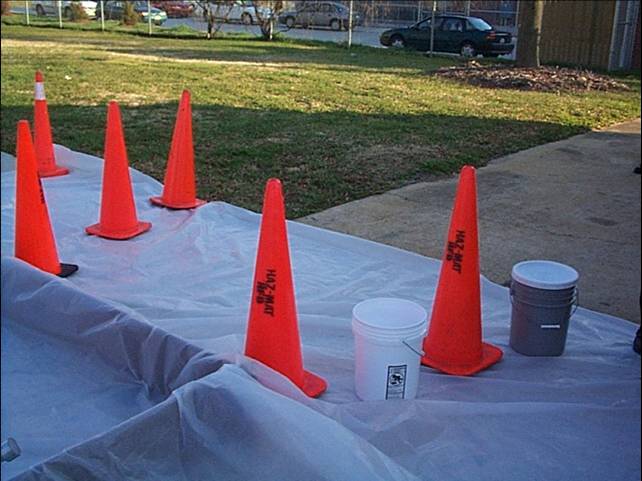
Set-up crews arrange the five stations by first laying down thick polyethylene sheeting flat on the ground, then constructing the wooden dividers into position over the poly, then spreading a second poly sheet over all the dividers, then firmly stepping on every inch of the poly inside each square, form-fitting it into the square. Finally, heavy orange cones secure the poly in place. The stations are literally next to each other, so during the decon process all we do is simply step over the wooden divider and into the next station to be deconed.
The five stations – as well as the entry and exit of decon – are in open space; meaning, there’s no roof or ceiling above the decon area. All hazardous materials either successfully collect into the polyethylene sheeting (then both the poly and haz-mats are later properly disposed of), or they disintegrate harmlessly into the air, or a combination of the two. 
This decon system works well for any size situation from one emergency crew to large crowds of haz-mat exposed civilians (non-rescue personnel). In an Emergency MCD (Mass Casualty Decon) time is critical for several different reasons: health risks, scene control, perseverance of crime scene evidence, etc. so a structured decon is not possible. In those emergency situations, exposed emergency personnel and civilians are deconed as shown in the two photos.
Thank you in advance for reading and for your participation and comments. If you have any questions, please do not hesitate to ask. All the photos are courtesy of Brandon Gayle. 
**************************************************************************

After majoring in communications and enjoying a successful career as a travel agent, Dianna Torscher Benson left the travel industry to write novels and earn her EMS degree. An EMT and Haz-Mat Operative in Wake County, NC, Dianna loves the adrenaline rush of responding to medical emergencies and helping people in need, often in their darkest time in life. Her suspense novels about characters who are ordinary people thrown into tremendous circumstances, provide readers with a similar kind of rush. Married to her best friend, Leo, she met her husband when they walked down the aisle as a bridesmaid and groomsmen at a wedding when she was eleven and he was thirteen. They live in North Carolina with their three children. Visit her website at http://www.diannatbenson.com/ 

1860’s Medicine: Laurie Kingery (Part 3/3)

It’s been my pleasure to host Laurie this week. In her final post she gives a brief overview of medicine during the 1860’s. This is great information for any historical writer. Thanks Laurie for all of your hard work!

THE STATE OF MEDICINE IN THE 1860’S
A writer always wants to make her hero an admirable person, perhaps even exceptional for his time, but still realistic. Nowhere is this more of a challenge, I believe, than when one’s hero is a doctor in the past.
Medical colleges were in their infancy, and though my hero attended one, most doctors were still trained by apprenticing themselves to doctors already in practice, and reading what textbooks were available. There was no national requirement that doctors attend a recognized medical school. Doctors saw patients in their office, but more patient visits took place when the doctor arrived in his black buggy.
When the story begins, Dr. Walker had just come out of the Civil War, in which he had been a doctor with the Union Army. In that war, as in many others, as many soldiers died of unsanitary conditions and contaminated food as died on the battlefield. Medical tents and buildings used for medical treatment were overcrowded and doctors worked around the clock, hampered by lack of supplies and knowledge. The most common treatment for wounds was amputation; the most common non-traumatic death was caused by dysentery.
Making Dr. Nolan Walker exceptional in his medical practice was more about what he didn’t use in the way of medical treatment than what he did. Many doctors of the time still used blood-letting as a treatment. One of the most popular medicines used was calomel, a compound whose main ingredient was mercury, which we know today to be a toxic substance. But back then it was used for almost every ailment, and was believed to be a stimulant, a cathartic (meaning it induced bowel movements) and an antimicrobial (though before bacteria were fully understood). Most often used for syphilis and given orally, it gave the patient foul breath, excessive salivation, and muscle trembling. It produced brain damage, and Dr. Walker was too smart to use it.


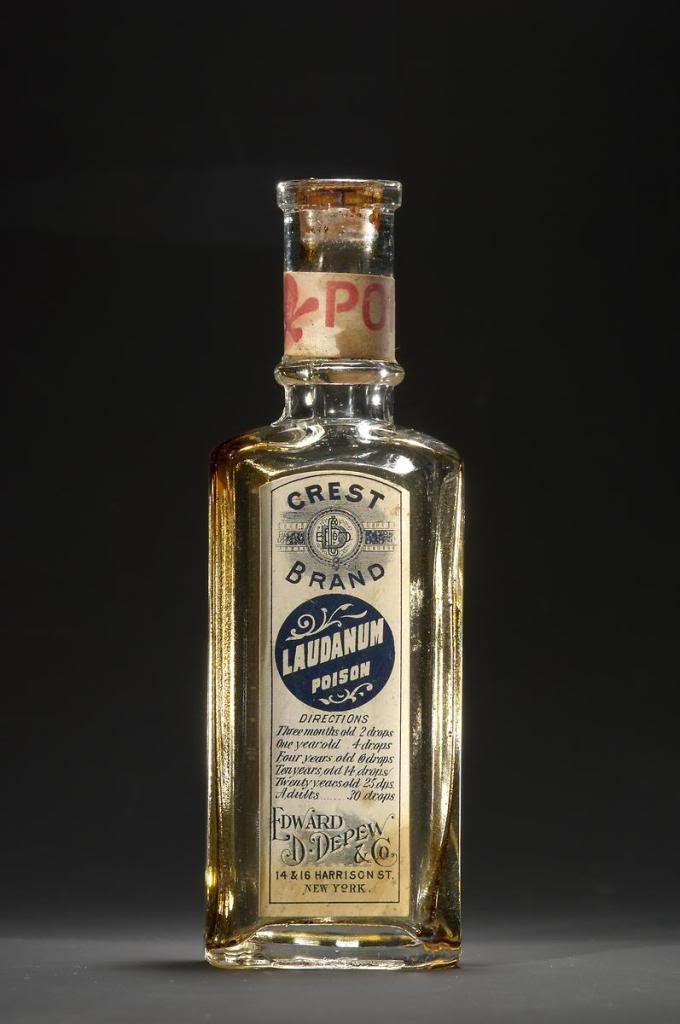
AbSinthe_laudanum/PhotoBucket

Another very common medicine was laudanum, and it was readily available over-the-counter. Its chief ingredients were opium and alcohol. Though useful as a sedative when that was truly needed, it was addictive and often abused. Even when used judiciously, it could produce nightmares in the patient.

The use of carbolic acid, discovered by Lister in Europe, as a disinfectant before and during surgery had just begun, but was not generally accepted. Many doctors still operated in street clothes and didn’t wash their hands between patients. Indeed, my doctor Walker was scorned as “fussy” by his fellow Army doctors for using it, but his amputation patients died much less often that those of his scorners. Dr. Walker uses it when Sarah Matthews falls and cuts her arm.
The wise doctors of the time, such as my hero, used remedies such as willowbark tea to reduce fever, and scorned the patent medicines sold over-the-counter and by medicine-show quacks. The key to treatment, in their view, was supportive therapy—any treatment which strengthened the body’s ability to heal itself. He believed in the tenet of the Hippocratic Oath which says “First, do no harm.”
It’s impossible to give a thorough summary of the state of medicine in the mid-1800’s in a blog. Indeed, it’s the subject of many fascinating and lengthy books. My object in this blog entry was to give you a quick glimpse of medicine as practiced by Dr. Nolan Walker in the town of Simpson Creek, Texas. (He appears in all my “Brides of Simpson Creek” books, including the one I’m writing now, when one of the main secondary characters suffers an apoplexy, or stroke.)
There were several books I used in writing THE DOCTOR TAKES A WIFE. Below is a list the ones I used most:
A Textbook of the Theory and Practice of Medicine, edited by Wm. Pepper, MD, W.B.
            Saunders, 1893 (which I found in an antique store!)
A History of Medicine, Dr. Jenny Sutcliffe and Nancy Duin, Barnes and Noble Books,
            1992.
Lotions, Potions and Deadly Elixirs: Frontier Medicine in America, Wayne Bethard,
            Taylor Trade Publishing, 2004
Bleed, Blister and Purge: A History of Medicine on the American Frontier, Volney
            Steele, MD, Mountain Press Publishing Company, 2005
Civil War Medicine, Robert Denney, Sterling Publishing Co., 1994
My website and blog are located at: http://www.lauriekingery.com . I answer all mail.
Thanks, Jordyn, for giving me this opportunity to talk about mid-1800’s doctoring and promote The Doctor Takes a Wife and my other “Brides of Simpson Creek” books published by Love Inspired Historicals.

********************************************************************************

You can find out more about Laurie at her website: http://www.lauriekingery.com/index.html