When Carpooling Goes Wrong: Analyzing Dexter S4E2

Ah, Dexter. Few shows juggle serial killing, dark humor, and wildly inaccurate hospital scenes quite like you. In Season 4, Episode 2, our favorite blood-spatter analyst wrecks his van—with a dead body conveniently riding shotgun in the back—and winds up in the ER. What follows is a crash course in how not to portray medicine on television.

Let’s dissect, shall we? (Pun very much intended.)

The ER doctor shines a light into Dexter’s eyes. Normal practice? Sure. But then we’re treated to the statement that his pupils dilate. Pupils constrict when you shine a light into them. They dilate in darkness. This is how the human body properly works.
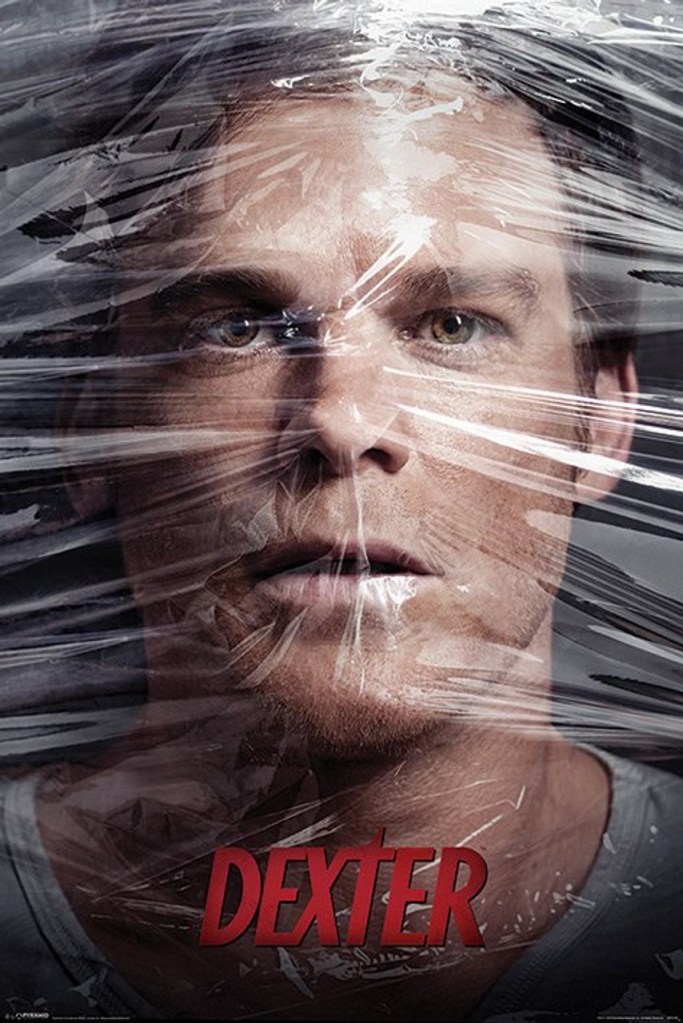
Next, the doctor looks at Dexter’s CT scan and announces, “You’ve sustained a concussion.” implying that concussions are diagnosed this way. Concussions can be clinically diagnosed, based on symptoms like headache, confusion, dizziness, and loss of consciousness. You don’t need a CT scan to tell you that, and a CT isn’t going to show a concussion anyway. If it does, congratulations—you’re likely now dealing with a bleed, not a simple concussion.

But hey, why rely on pesky medical standards when you can dramatically gesture at a glowing scan instead?

Then comes one of my favorite relics of outdated medical lore: the “Don’t let him sleep” after head injury rule. Dexter is told not to sleep for twelve hours, as if a good nap might somehow erase him from existence.

In reality? We don’t keep people awake anymore after they’ve suffered a head injury if they feel like they need to sleep. That advice has gone the way of lobotomies. Any injured body part needs rest to heal. The brain rests by sleeping. Sleep is good and beneficial for the head injured patient. The guidance is: let the patient rest, check in periodically if symptoms worsen, and maybe—just maybe—don’t torture the poor guy who just got his bell rung trying to hide his crimes.

Ultimate lesson– don’t get into a car accident with a body in the back of your van that the police are going to tow.

Which show do you think butchers medical accuracy the most and which on gets it right?
Medical Review of Fox’s 9-1-1

I’m so happy to be back blogging! I hope everyone had a fantastic holiday season and is ready for a new year. Today is officially my 20th wedding anniversary! Can you believe that? I know I can’t. It’s crazy to think how much time has gone by.

Considering the occasion, I thought it would be best to write a positive (well, mostly positive) review of a new TV show— Fox’s series 9-1-1. I know . . . you can pop your eyeballs back in. This is truly a rare event considering much of this blog’s time is spent skewering medical inaccuracies in print, movies, and the small screen.

9-1-1 is a series devoted to dispatch, police, and fire calls. I’ve watched the first two episodes and was pleasantly surprised at how much I liked it. Now, it does have some problems. Writing completely to stereotype would be the biggest.

Let’s look at what they did well.

1. The characters face consequences for their actions. I’ve said all along that it’s okay for medical people to do bad things in fiction, but there must also be consequences for their actions. The point of this are many. It increases the conflict in the story AND reflects real life. Too many times in fiction medical people are shown doing bad things without consequence. One firefighter is shown facing some serious repercussions for his poor (saying that lightly) choices.

2. There is respect for HIPAA and also how hard that is for medical people. HIPAA is the patient privacy law. Because of HIPAA, most of us who work on the front lines (EMS and emergency departments) rarely ever hear how our patients do after they leave our care. This is, flat out, not easy for any of us and it makes closure difficult.

3. Shows the problem of poor coping mechanisms. It is true that healthcare people do not always have the best coping mechanisms. Hello, to all the nursing units with the mandatory chocolate drawer. Some develop addictions  and can have bad co-dependent relationships. It was nice to see highlighted that the stress of this work does take an emotional toll.

4. Highlights the difficulty of work/life balance. Of course, all professionals face work/life balance issues, but I also feel like the nature of our work makes it hard to feel like you’re getting a break. If you’re taking care of a medically/terminally ill loved one at home, and then go to work doing the same thing— there can be little room to breathe.

5. Medical information was not distracting. The medical information was kept pretty light in the first two episodes and not too distracting. There were a few minor medical errors I’ll keep close to the vest for now.

Have you watched the new Fox show 9-1-1. What did you think?