Today, we’re going historical and looking at the two first common general anesthetics that were used: ether and chloroform.
 Ether was discovered in 1275. It was first synthesized by German physician Valerius Cordus in 1540. He named it “oil of sweet vitriol” which likely gives a clue to its odor. Other sources report ether’s odor as pungent, sweet, nauseating and fruity.
The first use of ether as an anesthetic occurred in 1842 by Dr. Crawford Williamson Long who used it to remove tumors from the neck of patient James Venable in Jefferson, Georgia. You may also see references that ether was used at the Ether Dome by William Thomas Green Morton who was a dentist that assisted surgeon John Collins Warren who also used it to remove a neck tumor. Now, it is largely recognized that Long should be credited with its first use.
Ether’s main drawback was its flammability. When the advent of using cauterizing tools came to fruition, you can see how setting fire to one’s patient during surgery would be considered poor form on the part of the doctor.
Chloroform was discovered in 1831 by James Young Simpson, a Scottish gynecologist and obstetrician, and was found efficacious in 1847. Chloroform was used widely until it was determined to be toxic to the kidneys and liver, but I did find a short note that perhaps chloroform was the preferred anesthetic in England. Chloroform is reported to have a “pleasant, non-irritating odor and slightly sweet taste”.
These agents, most likely ether in the US, were in use until the mid 1950’s when the non-flammable anesthetic agent halothane was discovered.
Do you have a historical medical scene using ether or chloroform?
_______________________________________________________________________
References:
Frontier Medicine by David Dary
*Originally posted February, 2011.*
 If you have a profession besides writing, doesn’t it bug you when someone doesn’t get it right? It may be something small, but you wonder, “Why didn’t they do some research?” With the Internet, it is easier than ever to find information, but if it is a hidden profession like my own, there might not be much info for you to glean. Today I want to share with you, The Face Behind the Mask or The Life and Times of a Certified Registered Nurse Anesthetist (CRNA). The operating room is my world, so let’s begin there.
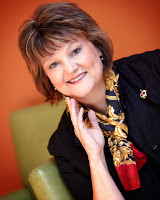 Kimberly Zweygardt is a Christ follower, wife, mother, writer, blogger, dramatist, worship leader, Certified Registered Nurse Anesthetist, a fused glass artist and a taker of naps. Her writings have been featured in Rural Roads Magazine, The Rocking Chair Reader, and Chicken Soup for the Soul Healthy Living Series on Heart Disease. She is the author of Stories From the Well and Ashes to Beauty, The Real Cinderella Story and was featured in Stories of Remarkable Women of Faith. She lives in Northwest Kansas with her husband where their nest is empty but their lives are full. For more information:
  Redwood's Medical Edge